

 907
907
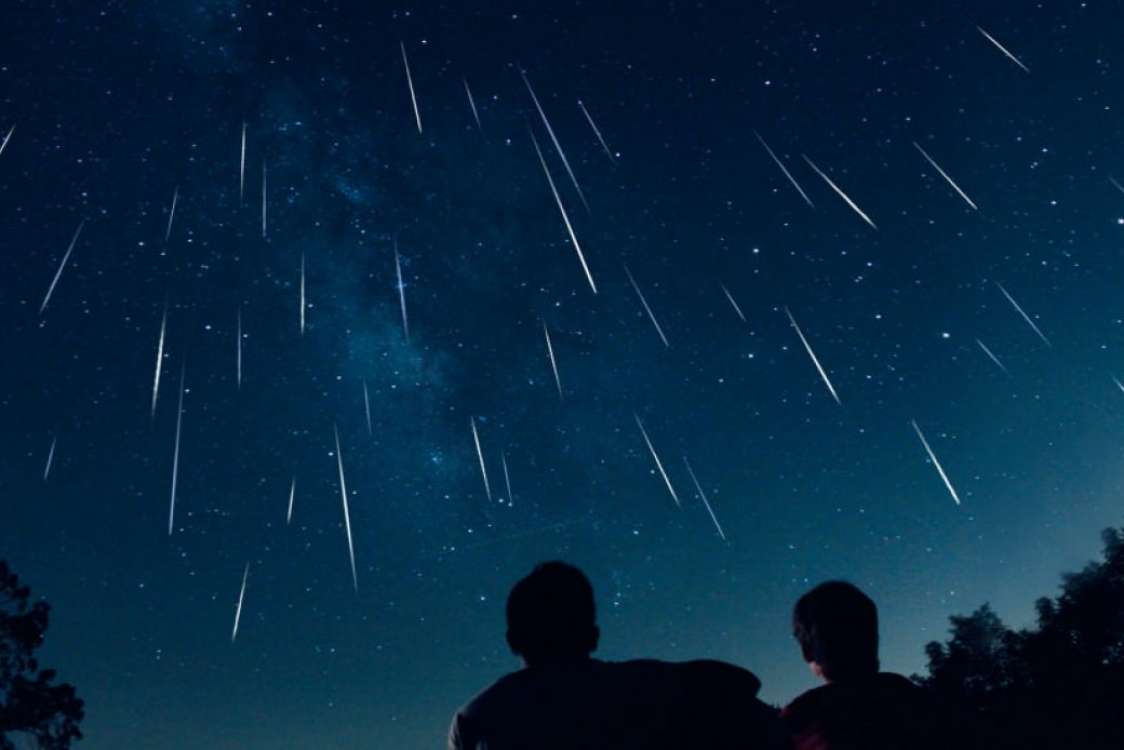
The Perseids are one of the most popular meteor showers of the year.
The Perseid meteor shower (also known as the Perseids) greets stargazers every year from mid-July to late August. This year the shower will peak between Aug 11-12, according to the American Meteor Society (AMS)(opens in new tab).
PERSEID METEOR SHOWER: QUICK FACTS
— When: July 14 to August 24
— Peak: Aug. 11-12
— Comet of origin: 109P/Swift-Tuttle
— Zenithal Hourly Rate (ZHR): 100
(The number of meteors a single observer would see in an hour of peak activity with a clear, dark sky and the radiant at the zenith).
The Perseids are caused by Earth passing through debris — bits of ice and rock — left behind by Comet Swift-Tuttle which last passed close to Earth in 1992. The Perseids peak when Earth passes through the densest and dustiest area on Aug. 11-12. Years without moonlight see higher rates of meteors per hour, and in outburst years (such as in 2016) the rate can be between 150-200 meteors an hour.
5585
5405
5325
4726
157
245

 338
338
 245
245
 310
310
 314
314
 371
371
 318
318
 485
485
 399
399