

 649
649
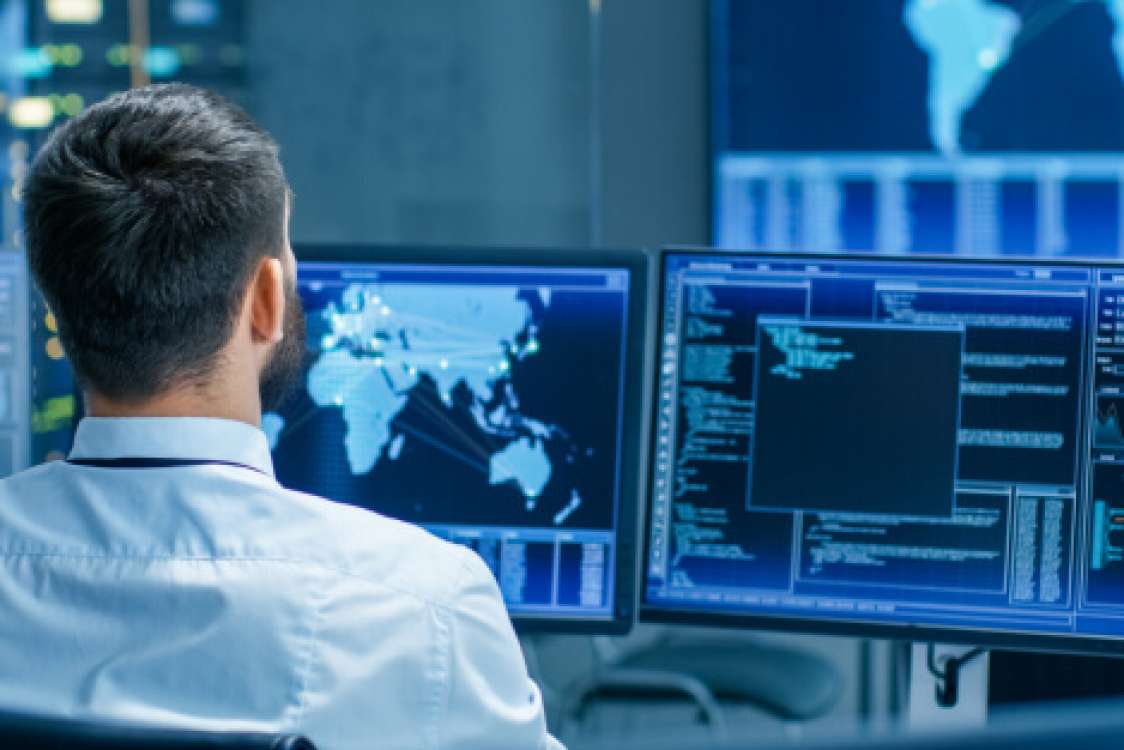
What, then, is required of individuals engaged in diplomatic work in multilateral organizations? Brian Urquhart has put the matter as follows: The art of multilateral diplomacy consists to a large degree in long and intricate negotiations, contacts and conversations. Multilateral diplomacy is usually a laborious and nerve-racking process that requires great stamina as well as intuition, intellect, understanding and negotiating ability.
And what type of person is best suited to this kind of work? Perhaps it ought to be said at the outset that some persons discover, on being sent to the United Nations, that they have a natural aptitude for the multilateral environment, which is different in important respects from a bilateral forum. Of course, some diplomats have worked in both environments, as well as in their own national ministries, and this three-dimensional experience is useful, if not essential, particularly in the matter of coordinating work on specific issues. This coordination is especially helpful to smaller countries with relatively limited resources. It is inevitable that some persons will be posted to work in multilateral organizations without having had much experience in diplomacy in any form. But experience for example, in government agencies whose work has international dimensions can be an asset to the new diplomat as well as to the multilateral organization itself.
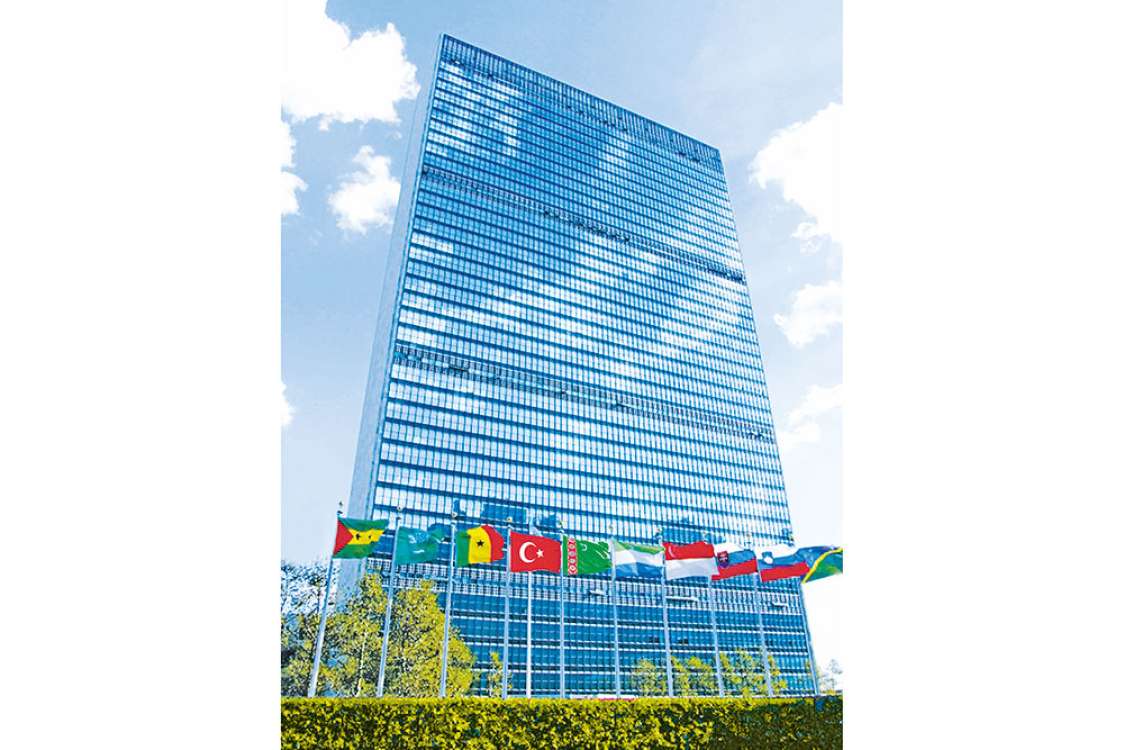
In the multilateral system, diplomats play multiple roles. First and foremost is their function as the representative and promoter of their country's interests. But the United Nations seeks to serve the interests of the global community, and its members must also contribute to that broader endeavor.
Bagul SAPARMYRADOVA,
student of the Institute of International Relations
of the MFA of Turkmenistan.
5509
5374
5276
4699
107
210
273

 273
273
 210
210
 278
278
 276
276
 328
328
 278
278
 444
444
 373
373