

 1042
1042
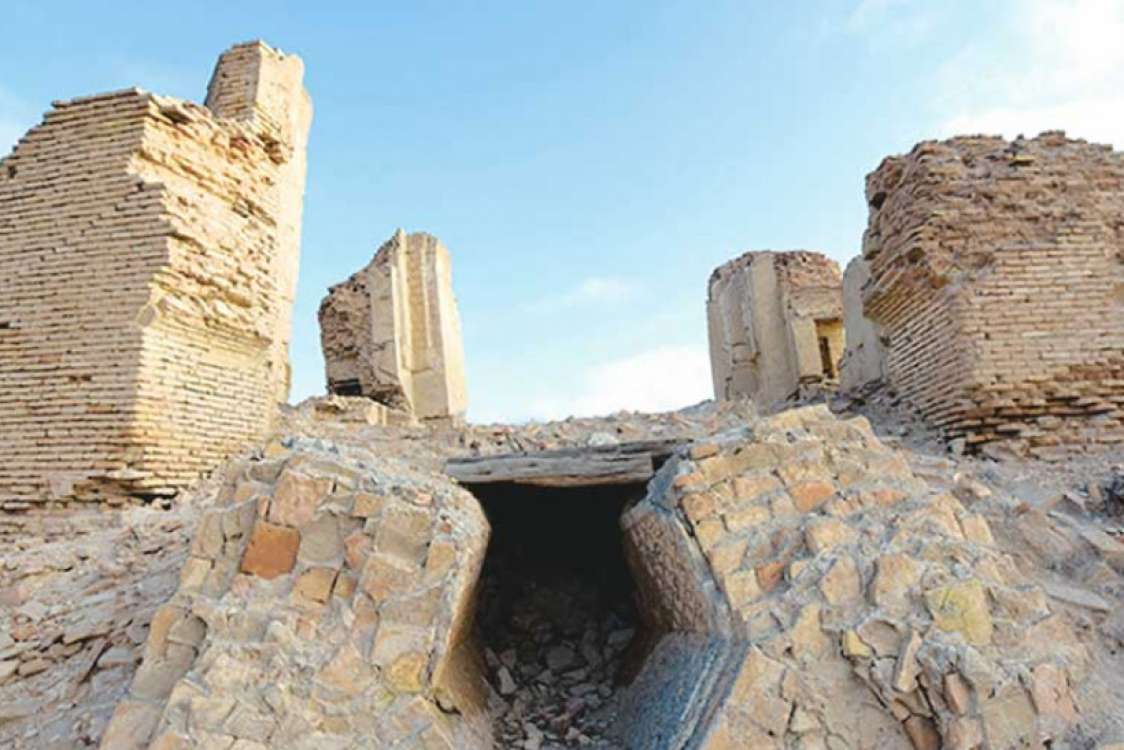
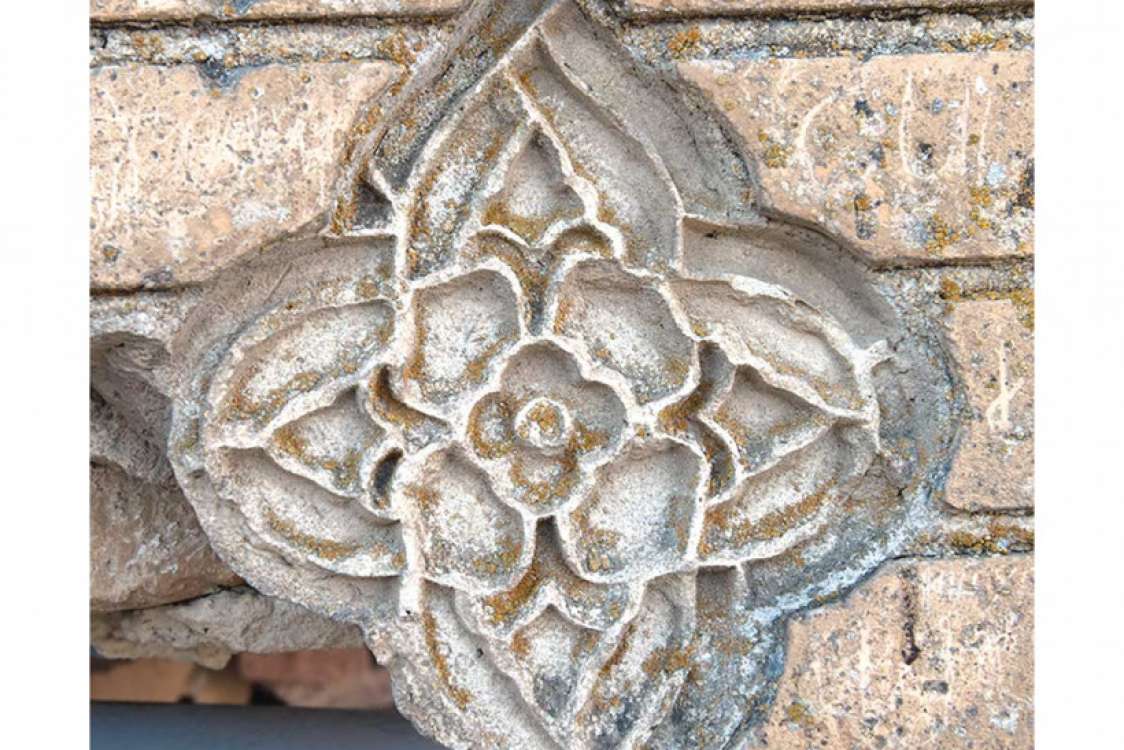
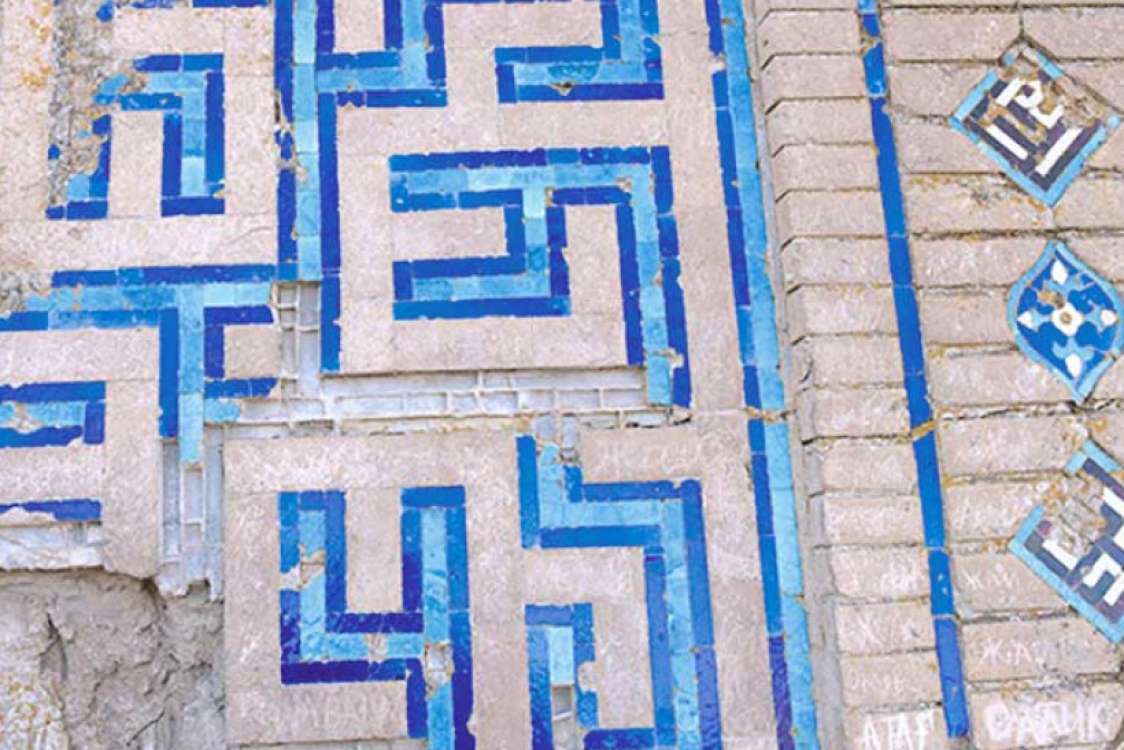
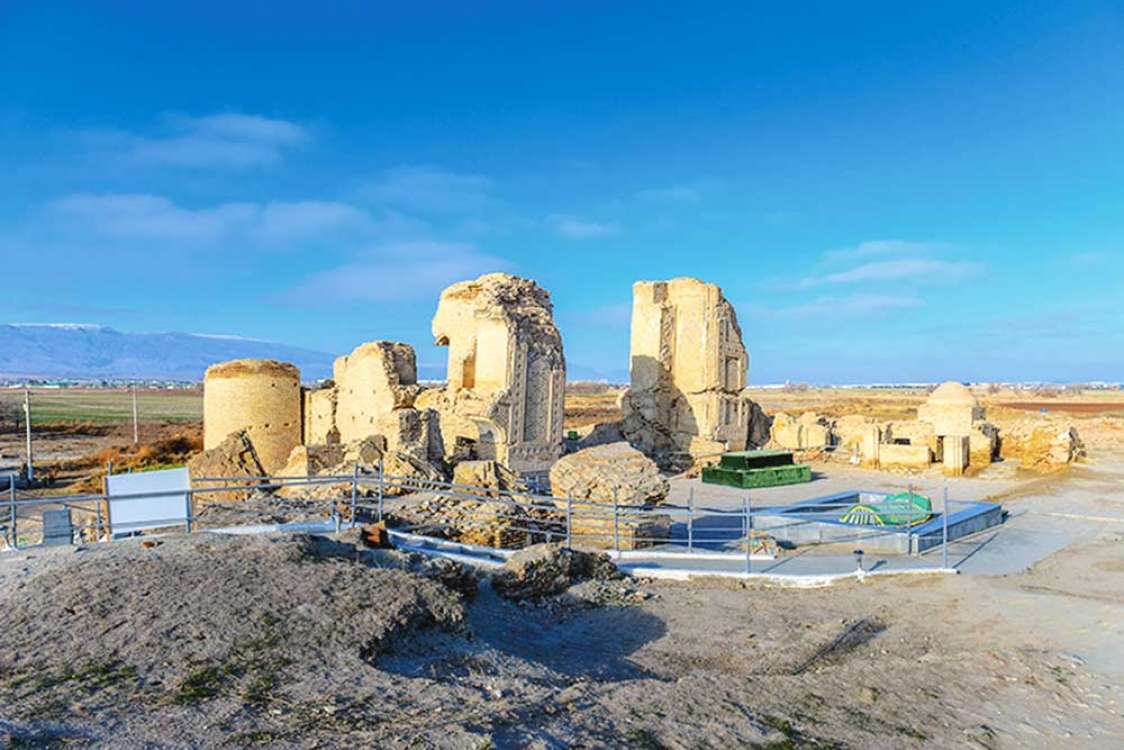
Anau has a rich cultural history that spans from the 4th to the 19th centuries CE. The Seyit Jemaletdin Mosque, which was destroyed during a devastating earthquake in 1948, is one of the main attractions in the area. According to Gulalek Rejepova, a research worker at the Institute of History and Archaeology, Academy of Sciences of Turkmenistan, the majestic ruins of the mosque are a must-see for visitors. Her article was published on Neutral Turkmenistan.
This mosque, which served as a large religious complex built in the 15th century, consisted of 17 rooms. Due to its impressive size, it was also called the “House of Beauty”. We can still see the remains of a square hall covered with a dome. Medieval Arab sources note that the caravan, having left the beautiful Nisa (as this city is figuratively called in the chronicles), passed through the flourishing Anau with the famous mosque and could stop in many settlements along the way. In addition to the original mosque, there is also an equally interesting sardoba, which is a round reservoir. It is assumed that its maximal capacity was 200 thousand litres of water.
In 2003, the domestic Institute of History and Archaeology and the Embassy of the United States of America to Turkmenistan published a collection of articles. These articles shed light on the secrets that have remained undiscovered for millennia in the depths of the mounds. Additionally, an international conference was held in 2004 to mark the 100th anniversary of Raphael Pumpelly's archaeological expedition to Turkmenistan. Today, scientists from the Institute of History and Archaeology of the Academy of Sciences of Turkmenistan are conducting scientific research to study the characteristics of the culture of Anau. This research is significant and makes a valuable contribution to the historical science and historiography of Turkmenistan.
Archaeological excavations of two mounds have revealed that during the Neolithic era, the inhabitants of Anau sowed wheat and barley. Historians believe that they mixed the chaff of these cereals with clay to create durable pots. The presence of stone mills shows that they were skilled in grinding grain, and they also raised goats and sheep. Spindles found during the excavations suggest that the art of spinning was also practiced. In addition to agriculture, they hunted wild animals for food using bows, arrows, and spears with bone tips. The dwellings for the inhabitants of ancient Anau were rectangular houses made of mud brick.
Just a few kilometers away from Ashgabat, there are two mounds that mark the territory of the ancient city of Anau. They are known as the Southern and Northern mounds. Looking at their smooth contours, one is reminded of the legends associated with them, once told by wise ancestors. Despite the rapid transformation and development of our modern, white-marble and luxurious capital city, history seems to have stopped there. Nevertheless, the Motherland's multifaceted national economy is making progress day by day in all sectors.
This year is significant because the ancient Turkmen city of Anau has been rightfully elected as the cultural capital of the Turkic world for 2024 by the Permanent Council of the International Organisation of Turkic Culture (TURKSOY). The choice was not accidental, as Anau is one of the few centers of culture of the early Neolithic era in human history. Anau's civilization, which is covered with unsolved secrets of its mounds, is one of the few centers of the emergence of global human culture.

 5585
5405
5325
4726
157
245
5585
5405
5325
4726
157
245

 338
338
 245
245
 310
310
 314
314
 371
371
 318
318
 485
485
 399
399