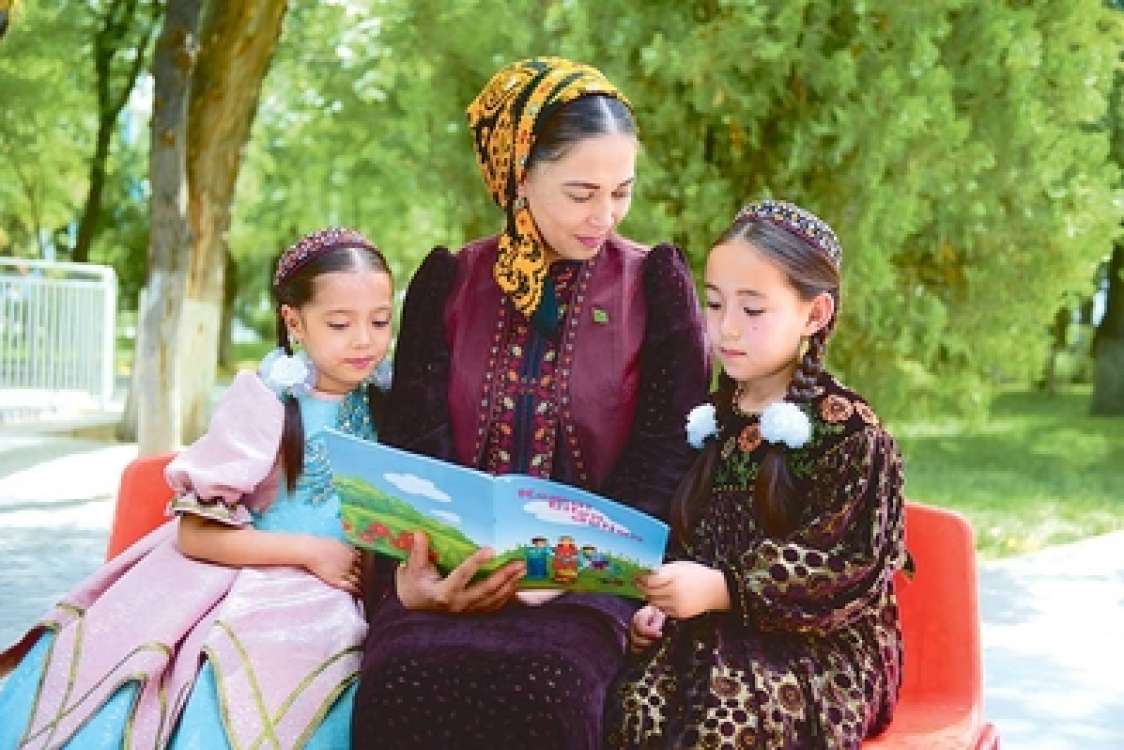


Novruz, also known as Nowruz, is a traditional spring festival celebrated by millions of people around the world, particularly in countries such as Iran, Azerbaijan, Turkey, and Central Asia. The word "Novruz" means "new day" in Persian, and the holiday marks the beginning of the new year in the Persian calendar.
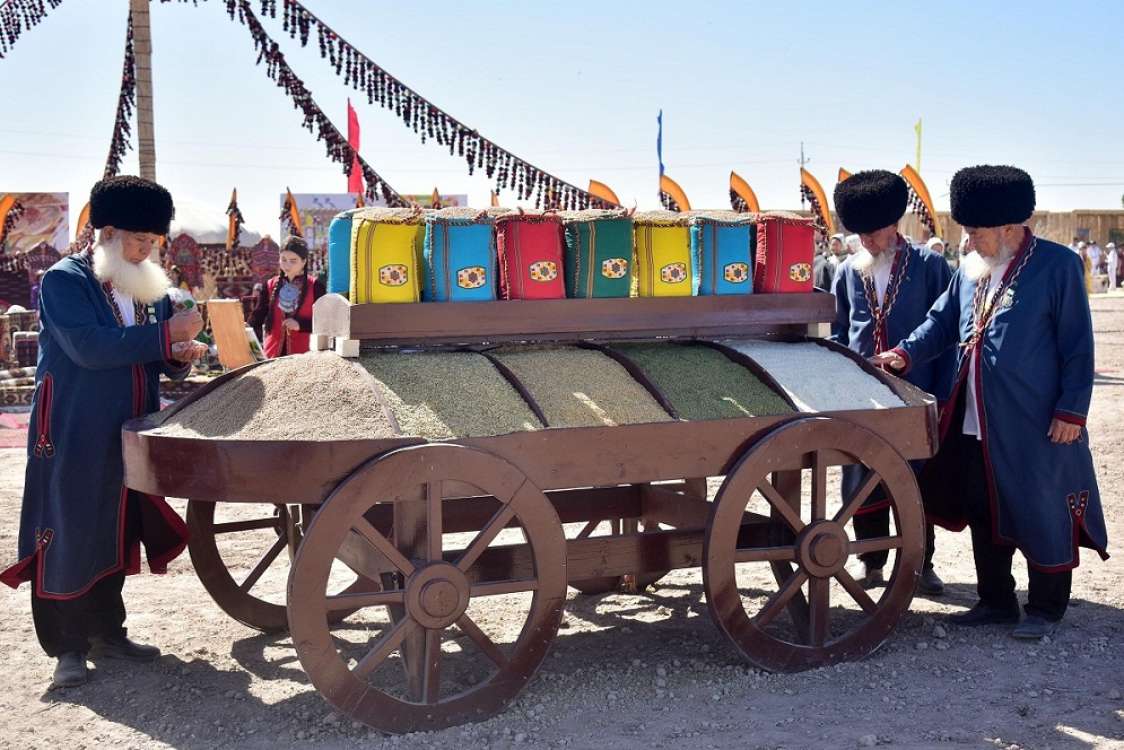
Novruz is typically celebrated on the vernal equinox, which falls on March 21st or 22nd each year. The festival has its roots in ancient Zoroastrian traditions and is a time to celebrate the arrival of spring, renewal, and the triumph of light over darkness. Many of the customs and traditions associated with Novruz are meant to encourage good luck, health, and prosperity for the coming year.
One of the most iconic symbols of Novruz is the haft-seen, a tabletop display featuring seven items whose names begin with the Persian letter "S." These items typically include wheat or barley sprouts symbolizing rebirth, apples symbolizing beauty and health, vinegar symbolizing patience, and garlic symbolizing medicine. Each item on the haft-seen represents a different aspect of life and is believed to bring blessings and good fortune to the household.
Other common traditions associated with Novruz include jumping over fires to symbolize the burning away of the past year’s troubles, decorating eggs to represent fertility and rebirth, and visiting friends and family to exchange gifts and well-wishes. Many people also engage in spring cleaning and wearing new clothes to symbolize a fresh start.
Novruz is a time of joy, celebration, and renewal for many people around the world. The festival brings communities together to share in traditions, customs, and delicious food, such as sweets and nuts. With its rich history and cultural significance, Novruz is a beloved holiday that continues to be cherished and celebrated by millions of people each year.
Berdigylych YAZMYRADOV,
student of the Institute of International Relations of the
Ministry of Foreign Affairs of Turkmenistan.