

Syýasat
/ 21.10.2026 /
70
Türkmenistanyň halkara başlangyçlary — parahatçylygyň we hyzmatdaşlygyň möhüm binýady
Syýasat /
21.10.2026
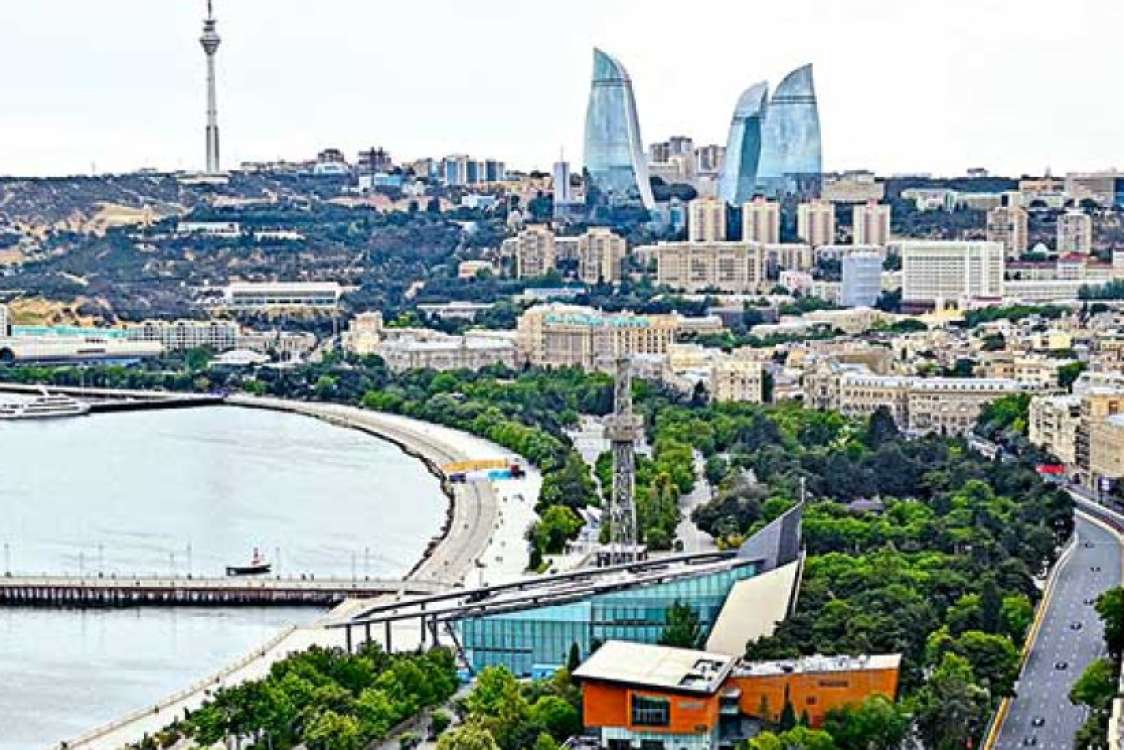
Türkmenistanyň halkara abraýyny belende galdyrýan başlangyçlar
Syýasat /
21.10.2026
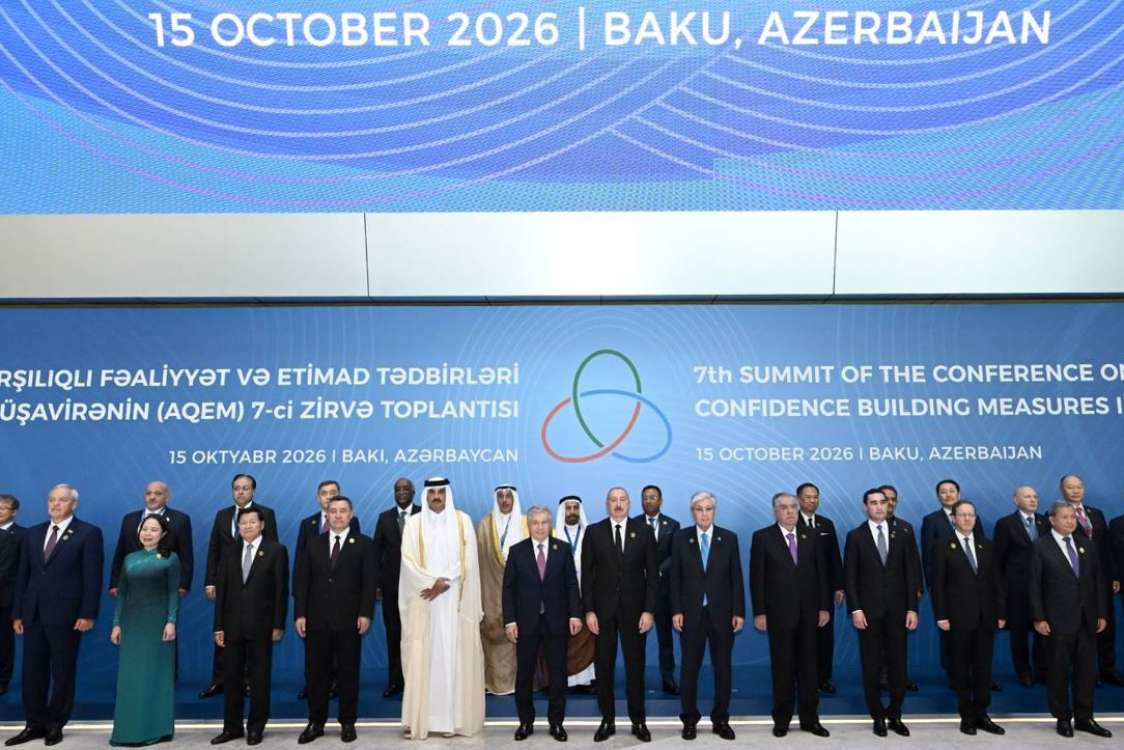
Hyzmatdaşlyga we parahatçylyga bagyşlanan sammit

Syýasat /
21.10.2026
Diplomatiýa — parahatçylygyň we dostlugyň köprüsi

Jemgyýet /
21.10.2026
Sanly ösüş — döwrüň möhüm talaby

Gyzykly /
09.12.2022
Täze ýyl gutlaglary..
Şygryýet /
22.11.2020
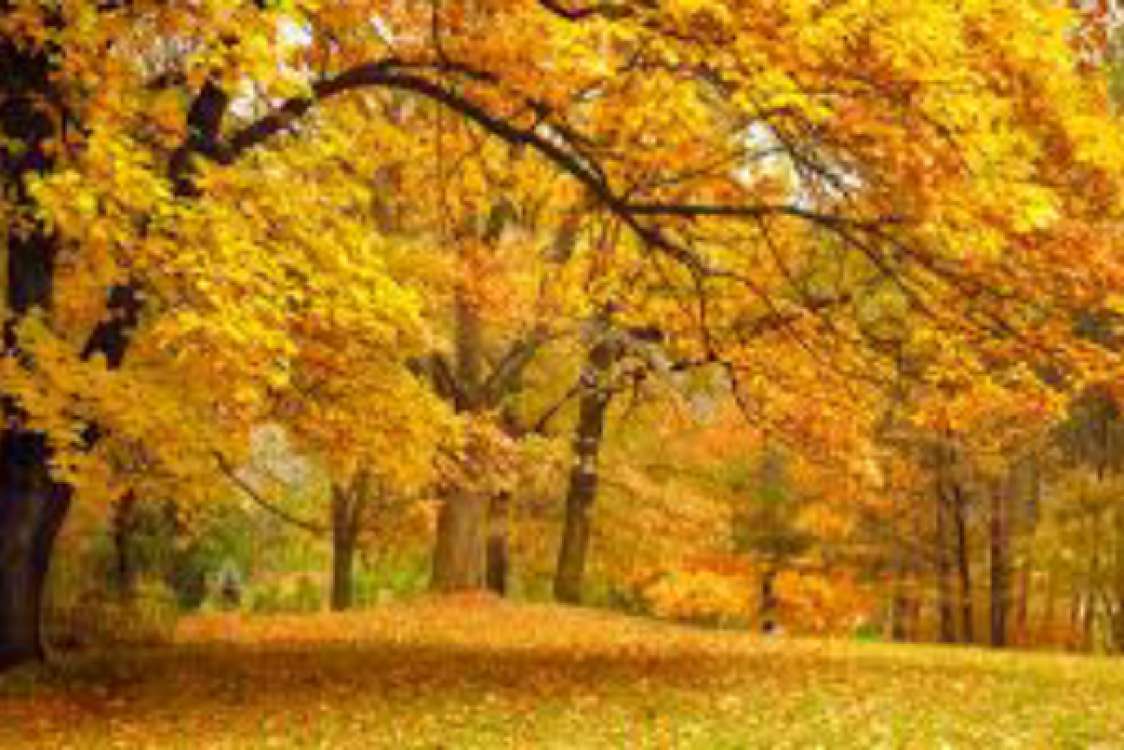
Güýz paslynyň sary ýapraklary
Saglyk /
15.02.2023
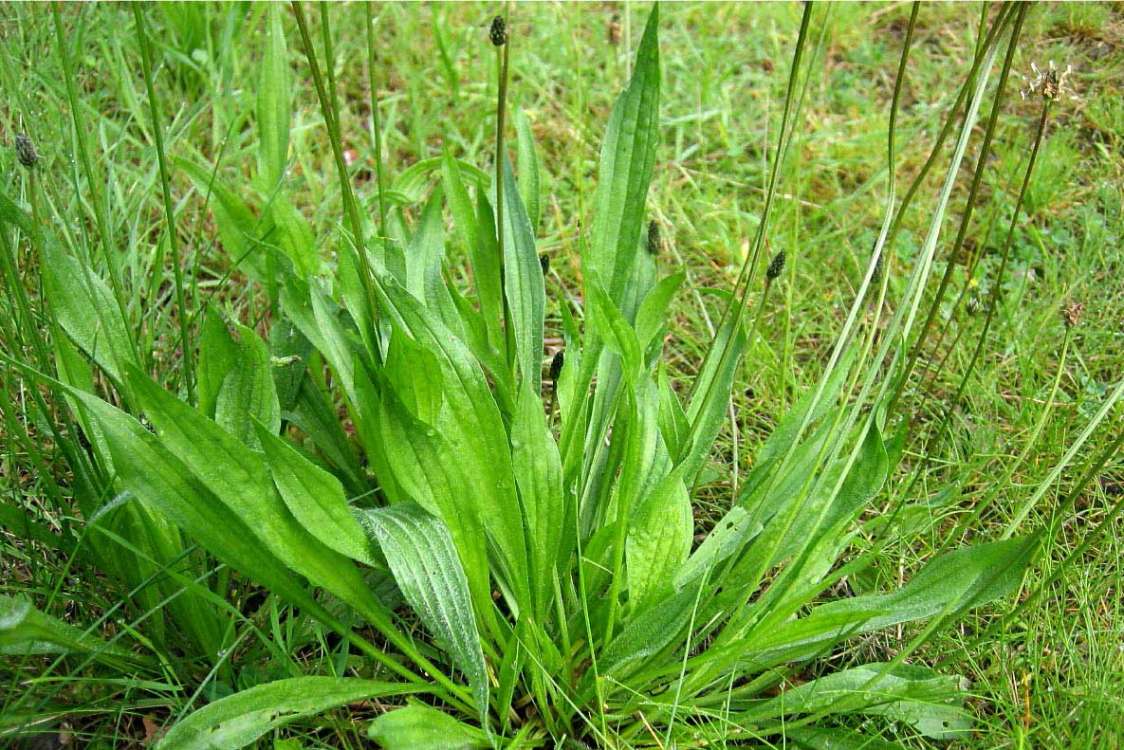
Derde derman atgulak

Medeniýet /
06.12.2021
Akyldar şahyr Magtymguly Pyragy barada
 241
241



 101
101