

 335
335
Shirin Karryeva, an independent expert and project manager at Conservation X Lab and the Center for Large Landscape Conservation, shared a review of conservation efforts for migratory wildlife species in her article published on Turkmen Metbugat.
Turkmenistan has a strong commitment to protecting its wildlife and biodiversity. The country ratified the UN Convention on Biological Diversity in 1996 and is working towards preserving and increasing its biological diversity of fauna. Recently, Turkmenistan participated in the 14th meeting of the Conference of the Parties to the Convention on the Conservation of Migratory Species of Wild Animals (CMS) in Samarkand. The conference focused on the conservation of migratory animals, and Turkmenistan participated in various official sessions and side events.
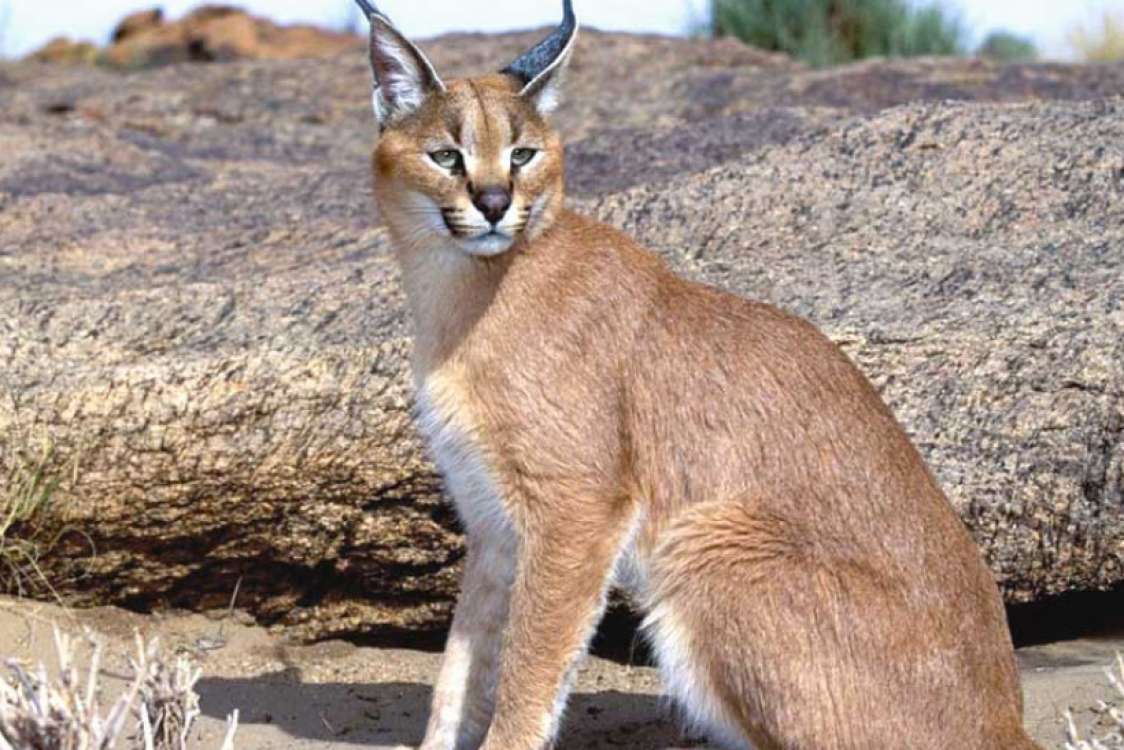
One side event, "Wild Cats of the Great Silk Road," focused on the conservation of wild cats in Central Asia. Turkmenistan is home to several wild cats, including the Central Asian leopard, lynx, manul, caracal, jungle cat, sand cat, and steppe cat. Many of these species are "Red Book" and require special protection. Turkmenistan supported the inclusion of Pallas' cat and lynx, which live in the country's natural reserves, in the Annex of the Convention.
Experts from Turkmenistan and other countries in the range of the Central Asian leopard developed a Regional Strategy for conserving the Central Asian leopard, which was officially adopted at the conference in Samarkand. This strategy aims to improve leopard conservation by creating new protected areas and ecological corridors and implementing measures to reduce human-leopard conflict throughout its range.
Turkmenistan is also working on a new regional project with Kazakhstan and Kyrgyzstan on the transboundary conservation of the Central Asian leopard and snow leopard. The project is funded by international organizations and is being implemented in the Balkan velayat in the mountains of Greater Balkan. This project includes the creation of a new natural reserve to protect the unique mountain ecosystem, which is included in the National Forest Program of Turkmenistan.
Another side event, "New Frontiers of Ecological Connectivity: From Policy to Implementation," focused on large landscape conservation and featured presentations from leaders of various projects implemented in Central Asian countries, including Turkmenistan. The event showcased the results of the project "Improving the Potential and Connectivity between the Nature Reserves of Turkmenistan and Uzbekistan," which is being implemented in the Koytendag State Nature Reserve. This project introduces a new innovative approach using SMART monitoring to inspect and improve security measures and biological monitoring in the reserve and reserves of the Koytendag mountain ecosystem.
4808
4209
4072
120
149
151
138
154


 445
445
 654
654
 521
521
 835
835

 276
276
 263
263
 295
295
 277
277