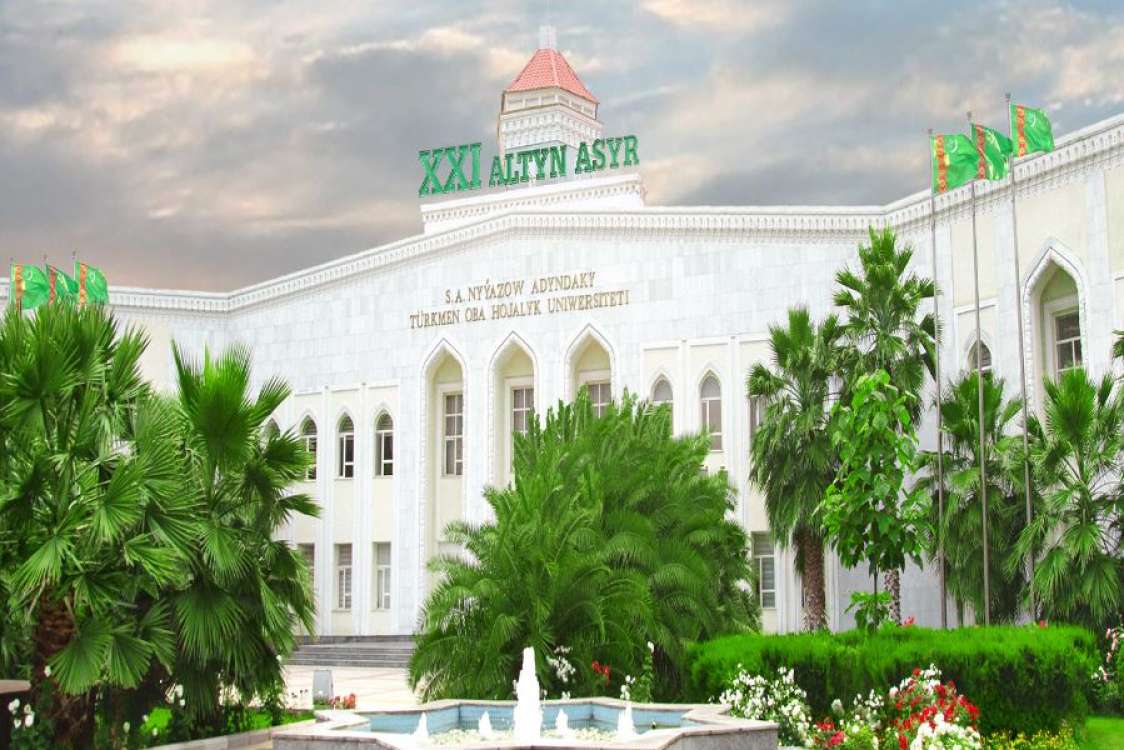


The Turkish company Polimeks built a plant in 2010 that can produce 250,000 cubic metres of drinking water per day. Two other water plants, including the first of its kind with a capacity of 100,000 cubic metres per day, were built in previous years and are located nearby. The first one was established in 1969 and is still functioning. Due to the growing population and the expansion of the administrative boundaries of the capital during the years of independence, additional water intake and water treatment facilities were constructed, and the Ashgabatvodokanal Trust was established to manage them in 1995. It was later renamed to the Aşgabatagyzsuw Production Association in 1998. The Gündogar drinking water plant was built next to the first one, with a design capacity of 150,000 cubic metres per day, and was opened in 1997-1998. Currently, it is going through partial reconstruction. These three plants are located close to each other. In 2001, the Altyn Asyr drinking water plant with a capacity of 200,000 cubic metres per day started operating in the suburbs of Ashgabat. To meet the needs of the growing population, another facility with a similar capacity of 150,000 cubic metres per day is under construction. So far, the water supply and sewer system have been looped.
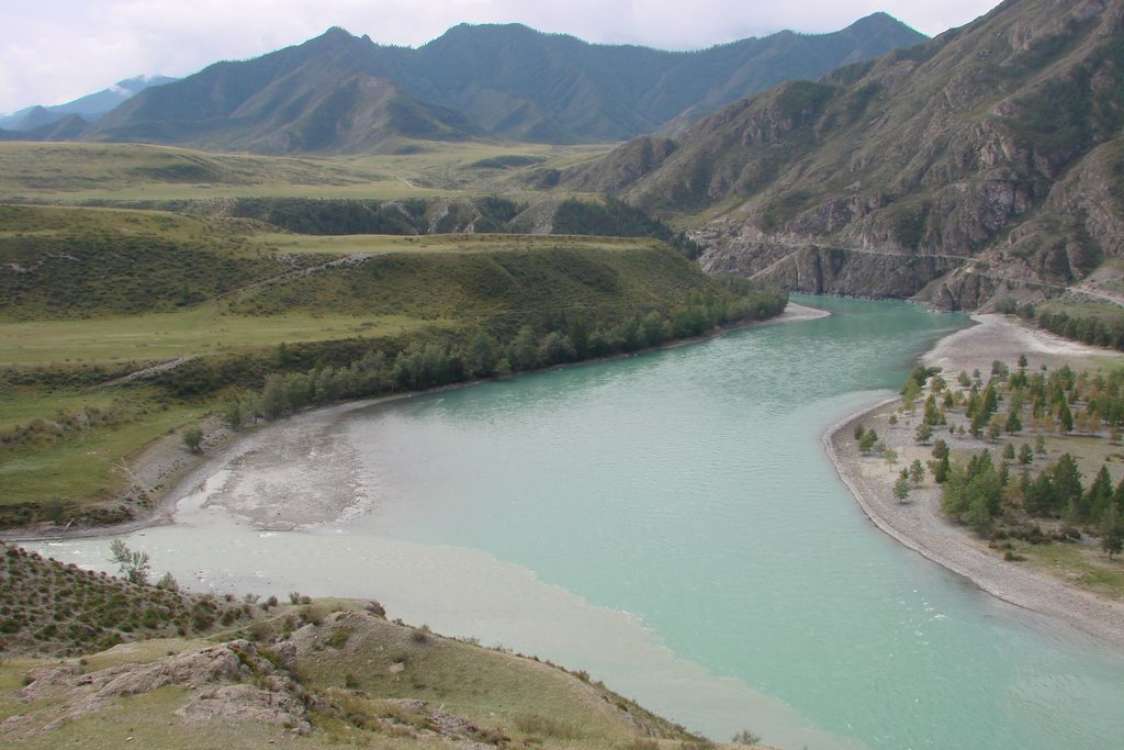
Water for urban supply is primarily sourced from the Karakum River, and the plant's location, along with the previous two, is ideal for collecting moisture for processing. The process begins with the water being settled in an outdoor tank, after which it is passed through a dense layer of reeds, which act as a natural bio-filter to remove organic and other impurities from the water. The concrete accumulator has a width of 400 metres, a length of 700 metres, and a depth of 6 metres. The sedimentation of alluvial sand and silt occurs naturally, and the water is dredged to remove sedimentary deposits from the bottom, ensuring its admission into the tank. A powerful pumping station nearby supplies the workshops with water, and excess water is discharged back into the Karakum River to maintain the same level of moisture reserves without causing overfilling of the tank.
The raw material passes through two sedimentation tanks before entering an aerator to remove odours and saturate the water with oxygen. The water goes through a complex system of interconnected sedimentation tanks, where it is treated with coagulants and flocculant solutions to purify it. Once chlorinated, it is supplied to production departments, and excess chemicals are removed using salt coagulant and liming. Water is purified several times, finally in 12 large tanks where gravity filtration takes place. After this, the water is disinfected to get rid of pathogenic microflora. Filtrates are washed with water and air, and the used water is supplied to the starting point of the purification chain. The plant has an eco-friendly production cycle, using two powerful pipes to supply washing water and a strong flow of air under high pressure. al composition of the water. The parameters are checked against two properties – the amount of chlorine and turbidity; the central laboratory conducts a complete chemical analysis every day, and the samples are delivered at the end of the working day. First of all, the laboratory carries out alkalinity and hardness tests. The plant operates around the clock and employs 180 specialists, 30 per cent of whom are women. They work in 3 to 4 shifts as they need to focus on the indicators of devices and meter data, and continuously maintain the systems. There is no time for rest, they cannot be distracted or absent. The plant has official transport for the personnel.
The noisiest department of the water treatment process houses six powerful pumps, out of which three work continuously, while the remaining three are always ready to avoid any interruption in the water supply to the capital. These pumps supply about 25,000 cubic meters of ready-to-use water per hour to the storage tank, which is then sent to the consumers. The water is disinfected through a long-established scheme using modern automated equipment supplied by foreign manufacturers.